2026-07-17 · Tom Whitaker
How to Spot Hidden Moisture After Heavy Rains in Bowling Green
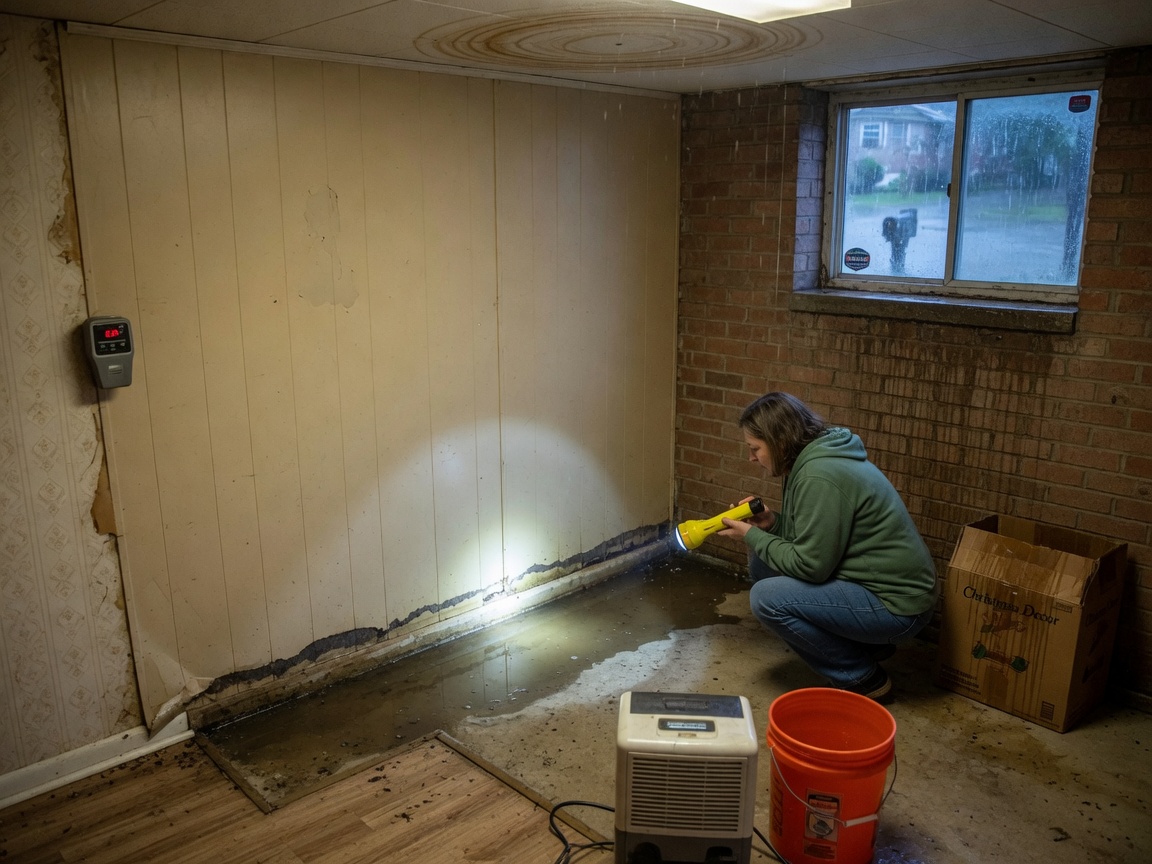
After heavy rains in Bowling Green, hidden moisture typically stays trapped in drywall, subfloors, and insulation for 48 to 72 hours before any visible damage shows, particularly in the humid subtropical conditions that slow natural evaporation across Warren County.
Checking Walls and Ceilings for Trapped Moisture
Start with a moisture meter on interior walls in high-risk zones such as the WKU area and Greenwood neighborhoods where older construction meets clay soils. Scan at least 12 inches above baseboards and around electrical outlets, noting readings above 15 percent that indicate saturation. Pay close attention to ceilings below flat roofs near Downtown Bowling Green, where water can pool unseen for weeks. In the Plaza district, stucco exteriors often hide moisture that migrates inward during repeated storms. Run the meter along seams and corners first, then test random spots every two feet. Document readings with photos so you can track whether levels drop after fans and dehumidifiers run for 48 hours. If readings stay elevated, the material likely needs removal rather than drying alone.
Inspecting Floors and Basements After Storms
Lift carpet edges and check hardwood expansion in homes near Beech Bend Park and Indian Hills, where heavy runoff collects. Measure gaps between boards with a feeler gauge; anything over 1/16 inch signals subfloor swelling. In basements common to Lost River Cave vicinity properties, use a pin-type meter on concrete slabs at multiple depths. Readings above 4 percent on the surface usually mean deeper saturation that requires structural drying services. Check sump pits and French drains for standing water that may not be visible from the main floor. Walk the perimeter outside and note soil that remains spongy 24 hours after rain ends. These steps help separate surface dampness from moisture that has wicked into framing.
How Local Climate Affects Drying and Detection
Bowling Green's humid subtropical pattern with hot summers and mild winters keeps relative humidity above 65 percent for days after storms, extending drying times by 30 to 50 percent compared with drier regions. This means a 2-inch layer of wet insulation in a Greenwood crawl space can stay above 20 percent moisture content for five days even with open windows. Schedule checks in the morning when indoor humidity is lowest to get accurate meter readings. Avoid relying on visual inspection alone during July and August when ambient moisture masks slow leaks. Track outdoor dew points; when they stay within 5 degrees of indoor temperatures, evaporation slows dramatically and hidden pockets form behind baseboards in Western Kentucky University area rentals.
Knowing When Professional Assessment Is Needed
If meter readings remain above 18 percent after 72 hours of drying or you detect a musty odor near plumbing chases, contact a team for flood damage cleanup before secondary issues appear. Properties in Rockfield and Alvaton with crawl spaces often need targeted extraction equipment that homeowners lack. Review the factors that drive water damage restoration costs in Warren County so you understand scope before work begins. Early detection in storm-affected areas like South Union prevents the need for full storm & rain water damage cleanup later. Keep records of all readings and photos to support any insurance documentation.