2026-08-11 · Tom Whitaker
Steps to Protect Pipes From Freezing in Older Bowling Green Homes
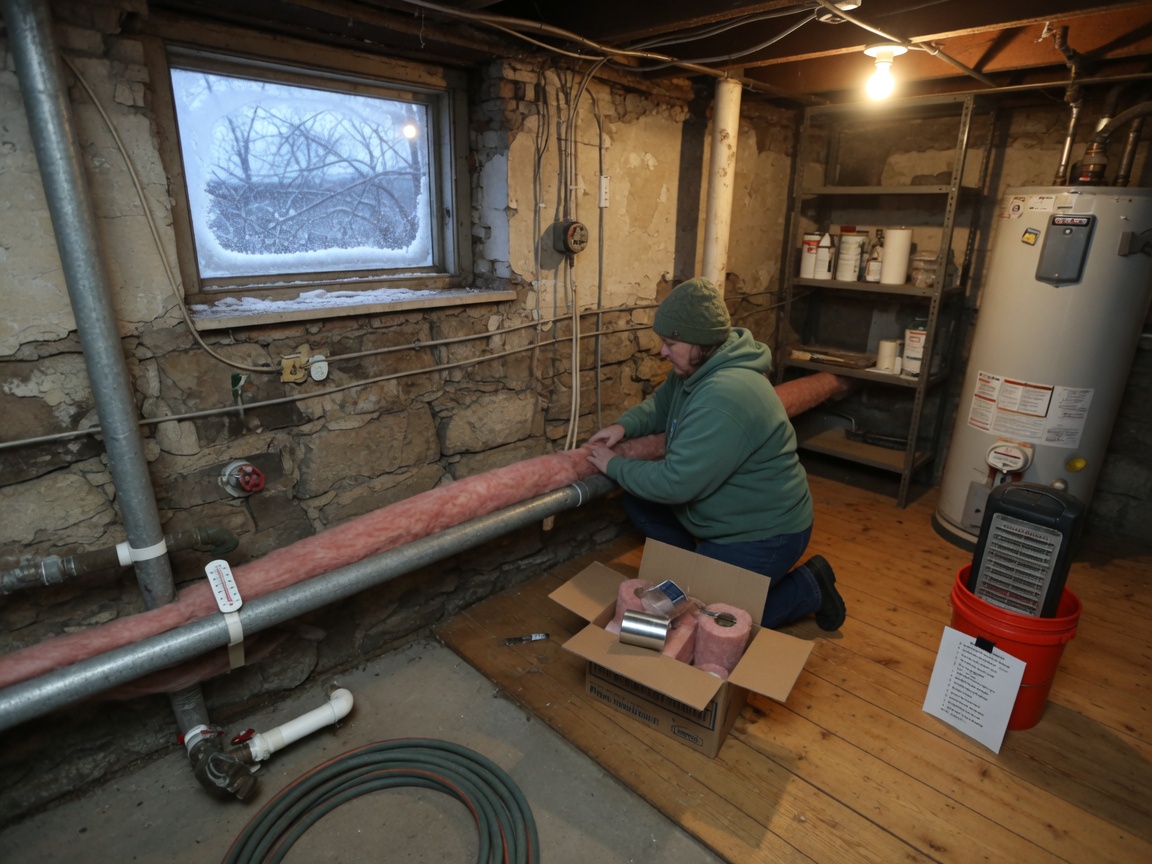
In older Bowling Green homes, the most effective protection comes from insulating pipes in unheated areas, keeping indoor temperatures above 55°F, and allowing faucets to drip during cold nights. These measures address the risks in homes built before modern insulation standards, especially those near the WKU Campus or in the Plaza neighborhood where crawl spaces and exterior walls often expose plumbing.
Locate and Assess Pipes in Historic Structures
Start by mapping all plumbing runs in basements, crawl spaces, and exterior walls common to homes in Greenwood and Indian Hills. Focus on galvanized or copper lines installed decades ago that lack modern insulation. Check under sinks, behind washing machines, and in attics for sections within 6 inches of exterior walls. Homes near Beech Bend Park or Lost River Cave frequently have additions that create cold pockets. Use a flashlight and note any pipes touching concrete or metal, as these conduct cold faster. Document locations with photos for future reference during annual checks.
Insulate Exposed Lines with Proper Materials
Apply foam pipe insulation sleeves with a minimum 1/2-inch wall thickness to all accessible lines in unconditioned spaces. Secure with tape at every joint and cover elbows fully. In Warren County homes with limited access, use fiberglass wrap on larger pipes where sleeves won't fit. Pay special attention to supply lines feeding outdoor spigots, which freeze first when temperatures drop below 32°F. Replace any cracked or missing insulation immediately after summer inspections. This approach works better than heat tape in humid subtropical conditions where condensation can occur.
Maintain Indoor Temperatures and Airflow
Set the thermostat to at least 55°F even when away for the day, particularly in homes around the Corvette Museum area where older heating systems may struggle. Open cabinet doors under sinks to allow warm air circulation around pipes. Close garage doors and seal foundation vents during forecasted freezes. In multi-story homes near Western Kentucky University, ensure upper floors stay heated because heat rises and leaves lower levels vulnerable. Monitor weather alerts for overnight lows and adjust settings the evening before.
Handle Drips and Shutoffs During Cold Snaps
Open both hot and cold faucets to a slow drip on the highest and lowest floors when temperatures are expected to fall below 25°F. This keeps water moving and reduces pressure buildup. Know the location of the main shutoff valve, usually near the water meter at 1801 Russellville Rd area properties, and test it annually. If a pipe feels frozen, apply heat with a hair dryer starting from the faucet end and moving toward the blockage. Never use open flames or space heaters directly on pipes.
If a pipe bursts despite these steps, prompt water extraction prevents further issues in Warren County homes. See related guidance in What Influences Water Damage Restoration Costs in Warren County and review Burst Pipe Water Damage Restoration for local response details.